


Andy Burnham’s push to bring local buses under public control has left the West Midlands with a £30m bill after the private-sector operator decided to pull out of the region.
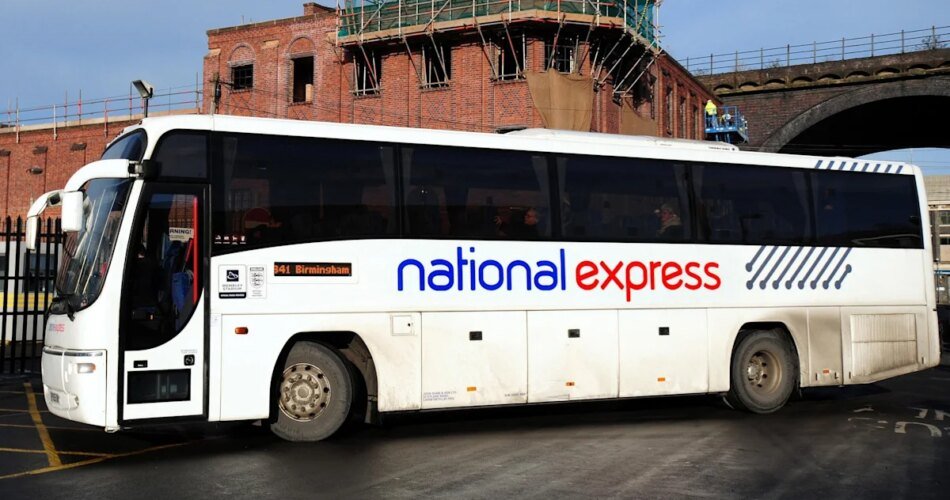
The Prime Minister hailed a move on Tuesday to transfer ownership of hundreds of bus routes, 1,400 buses and a fleet of depots from current owner National Express to West Midlands Combined Authority (WMCA), which is led by Richard Parker, the Labour Mayor.
The move is part of a new “franchise” bus model that Mr Burnham is championing across the country to give local officials more control over bus networks.
However, the WMCA has ended up paying £24m and a further £5.5m over the next three years to National Express to take control of the infrastructure underpinning the network.
National Express is cutting ties with the West Midlands, where it has run buses for 40 years, after baulking at operating under Mr Burnham’s new franchise model.
The authority, comprising seven councils including Birmingham, which declared itself bankrupt in 2023, will also take over £78m in pension liabilities from National Express.
Mr Burnham hailed the deal as a “milestone” in regionalising public services and evidence of the role that No 10 North could play in supporting local leaders.
Speaking at Wolverhampton bus station, he said: “The bus service here was close to collapse. We needed to step in to secure services in the short term.
“But longer term, we are now building to a model under full public control so that people here can get the benefits of that.
“When I said we would put power back into the hands of local communities, this is exactly what I was talking about.”
A statement from No 10 did not mention the cost of the transaction or the transfer of pension liabilities.
Limits of franchising
The Prime Minister has been a vocal champion of the “franchise” system, which was introduced in 2017 and involves councils offering route franchises to the private sector.
When he was mayor of Manchester, Mr Burnham led the drive to bus franchising beyond London with the creation of the Bee Network.
However, the franchise model has been criticised for involving the costly purchase of depots and fleets.
National Express operated most of the West Midlands network under the private model introduced by Margaret Thatcher. This stripped councils of control over routes, timetables and fares and allowed private companies to run any service they wished.
While the Conservatives introduced bus franchising plans in 2017, only mayoral authorities could make the switch and Greater Manchester was alone in taking up the option.
Source link


