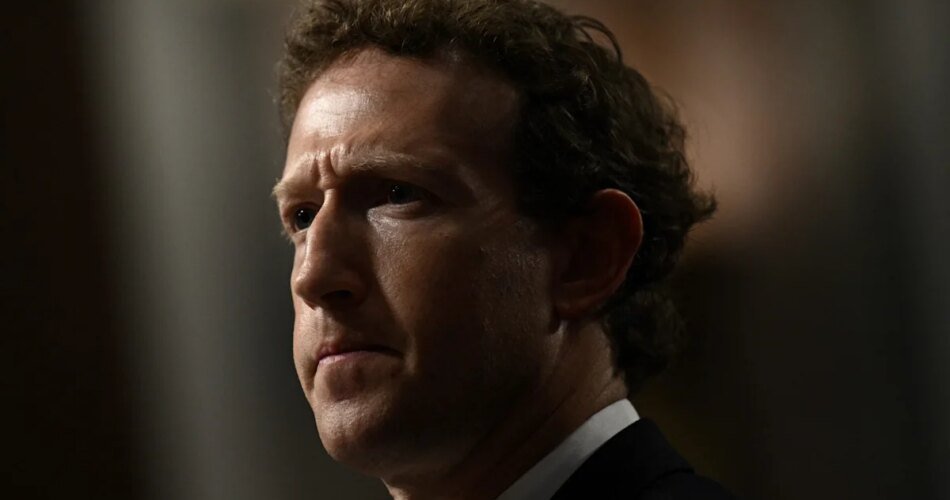

The owner of Facebook and Instagram deliberately made its social media apps addictive for children and “hid the truth” about their harms, a US court has been told.
In a landmark hearing on Tuesday, lawyers representing dozens of US states claimed Meta knowingly “exploited how kids’ brains work” in an effort to keep them hooked on social media.
The claims brought against the social media giant, founded by billionaire Mark Zuckerberg in 2004, have been described by some experts as social media’s “big tobacco moment”.
Meta has claimed the potential penalties from the case could amount to $1.4tn (£1.03tn), almost its entire market capitalisation, although the states have said they are seeking about $200bn in damages.
Mr Zuckerberg is among the star witnesses who could be called to give evidence.
It is the latest in a wave of lawsuits against social media companies including Instagram, Facebook, TikTok, Snapchat and YouTube.
The case has been brought by 29 states – led by California, Colorado, Kentucky and New Jersey – that are suing Meta for the alleged harm its products have caused to young people.
On top of substantial fines, they want it to make changes to its apps to safeguard children, for instance by imposing screen time limits.
In an opening argument, Megan O’Neill, for the prosecution, said Meta’s business model was designed to “hook the users, hold them for as long as they can, harvest their data, and then hide the truth from the public”.
The apps “exploited how kids’ brains work”, she added.
She said that the company had told US politicians and parents that its apps were safe “while it hid the truth”.
In a press conference, Rob Bonta, the California attorney general, accused Meta of “illegal” conduct and claimed the company knew that “Instagram is harmful to a significant percentage of teenagers”.
Instances of self harm and eating disorders had been caused by the company’s apps, he said, while there was evidence that the “like” button caused teenagers to compulsively engage with Instagram.
‘Safety was an afterthought’
The states allege that Meta misled the public about how dangerous its apps are for minors, designed features specifically to keep them online and gathered data on children under the age of 13, without parental consent.
The company denies the allegations and insists it has worked over the years with parents, experts and law enforcement to protect children.
Paul Schmidt, a lawyer for Meta, admitted some users had negative experiences but insisted the company had “tried to come up with tools to help them”.
Source link