

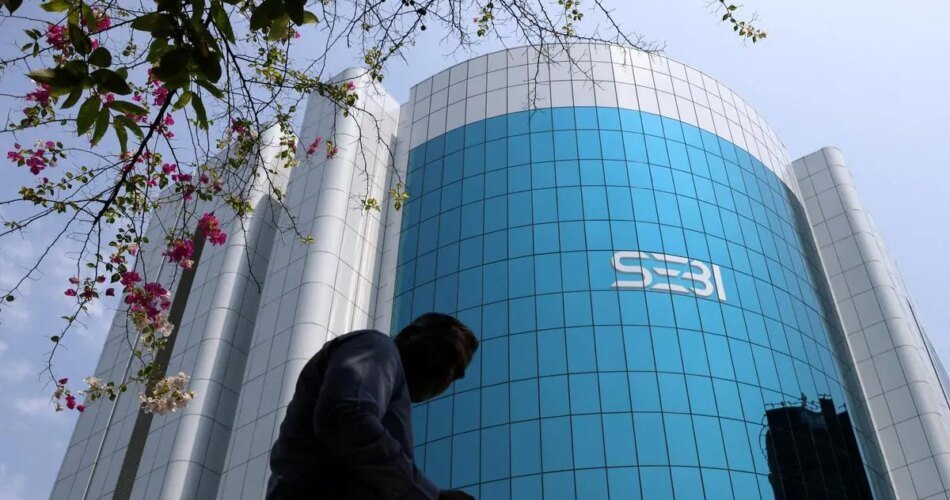

The trading ban on Copthall and Mansi Share will be lifted once the entities pay back nearly ₹3.7 crore ($386,000) in combined unlawful gains to the regulator, the SEBI said in its order.
| Photo Credit:
FRANCIS MASCARENHAS
India’s securities regulator issued an interim order against a JPMorgan Chase & Co unit in record time, a move market watchers say could deter attempts to manipulate the country’s new closing stock auction.
The Securities and Exchange Board of India order banning JPMorgan unit Copthall Mauritius Investment Ltd and local brokerage firm Mansi Share and Stock Broking Ltd from the capital market within six days of the alleged manipulative trading on August 13 marks a departure from the past, when the regulator often took years to issue such rulings.
“It’s unprecedented,” said Ashwani Bhatia, a former board member at the watchdog. “SEBI had to nab any manipulative activity early on given that the adjustment process to the new system has not been smooth,” he said.
The crackdown underscores the regulator’s determination to ensure the success of the so-called Closing Auction System, one of the biggest reforms to India’s stock market in recent years and part of an effort to align it with global standards. The system’s rollout earlier this month has faced pushback from traders following unexplained spikes in stock benchmarks during closing sessions.
While SEBI officials have made no further public comments on the order against JPMorgan and Mansi Share, Chairman Tuhin Kanta Pandey said earlier this week that the new system is here to stay, even as the regulator remains open to tweaks.
The swift order also partly reflects lessons learned from the investigation into alleged market manipulation by Jane Street Group, which was disclosed in a bombshell initial order last year. In that case, SEBI began its investigation more than a year before taking action against the proprietary trading firm. The Wall Street firm has denied all the charges and is pursuing an appeal in an Indian court seeking access to additional documents.
Copthall is separate from JP Morgan India Pvt, which is registered with SEBI as a stock broker and merchant banker. The order against the Mauritian entity therefore does not directly impact JPMorgan’s activities in India mostly conducted through its local unit.
The trading ban on Copthall and Mansi Share will be lifted once the entities pay back nearly ₹3.7 crore ($386,000) in combined unlawful gains to the regulator, the SEBI said in its order.
‘Benefiting positions’
The 46-page order issued by SEBI board member Kamlesh Varshney late Wednesday alleged that Copthall and Mansi Share executed manipulative trades during the closing auction window to influence the indicative equilibrium price of the BSE Sensex Index, benefiting their options positions on the benchmark.
SEBI also said the trading patterns appeared manipulative because they canceled large portions of the orders placed near the upper end of the permitted price band during the closing auction. The trades influenced indicative closing prices without the orders being fully executed, according to the regulator.
What helped SEBI swiftly uncover the alleged wrongdoing was the design of the new system, which makes manipulation easier to detect. Instead of monitoring attempts to influence closing prices over an extended period of continuous trading, regulators can focus on a discrete auction window and examine orders as they are entered, modified and cancelled while the equilibrium price develops.
“At a practical level, the CAS is a single window under a spotlight, making it easier to surveil – especially for things like order spoofing – than under the previous regime,” said Ananth Narayan, a former board member at SEBI. He views the new system’s “teething issues” as temporary rather than a deal-breaker.
To be sure, the challenges for the regulator are mounting. After the first few weeks of the auction system produced unexpected price swings and raised questions about thin liquidity, the disclosure of misconduct risks further denting investor participation.
“This is a significant change in market structure, and it could take about a month for participants to adjust fully,” said Dhiraj Relli, managing director of HDFC Securities Ltd. “SEBI’s swift action sends an unequivocal signal that the CAS is here to stay.”
More stories like this are available on bloomberg.com
Published on August 21, 2026
Source link


