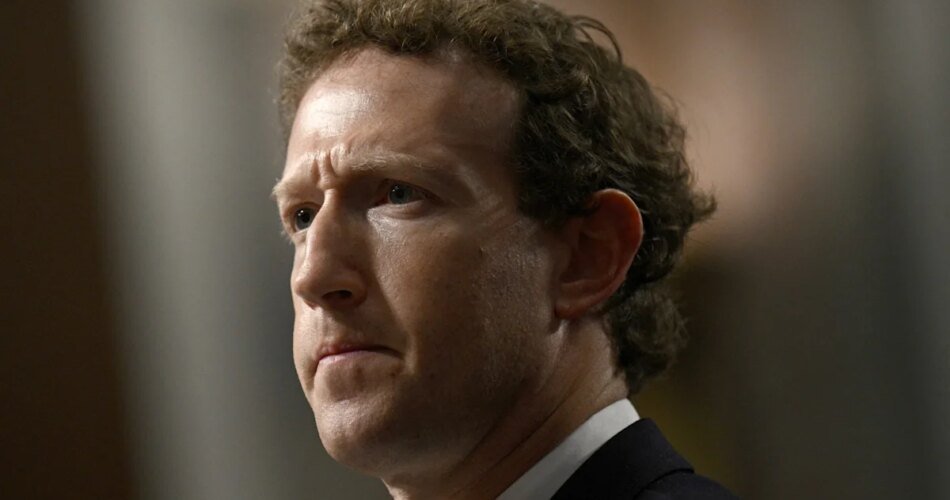

Mark Zuckerberg sidelined child safety concerns at Meta and parents “cannot trust” the billionaire to protect their kids online, a former engineer has claimed.
Arturo Béjar, a whistleblower who worked on Meta’s child safety tools for six years, claimed the billionaire tech boss brushed aside concerns about harms to children in pursuit of profits.
Mr Béjar said on Wednesday that claims by Mr Zuckerberg in 2021 that the company knew how to make its products safer and would make improvements were untrue.
“It’s so false, every part of it,” Mr Béjar said. “You just cannot trust Mark Zuckerberg with kids.”
The former engineer said Mr Zuckerberg had the final say about product design at the company, which owns Facebook and Instagram, and that these products were created to keep users hooked for as long as possible.
He said: “All roads lead to time in the product … In that context, safety was always an afterthought.”
Mr Béjar is the first witness to testify in a landmark case against Meta regarding allegations that the tech giant made its social media platforms addictive to children.
Meta is being sued by 29 US states, including California, New Jersey, Colorado and Kentucky, because of claims the Facebook owner failed to protect children. It has said it risks fines of $1.4tn (£1tn) if it loses the case.
The states allege Meta designed Facebook and Instagram to be addictive for children and that the platforms fuelled depression and anxiety among users, while misleading them about safety.
They claim the social media company also broke federal law by collecting personal data from children who used its platforms.
‘False and misleading impression’
Mr Béjar, a star witness for the states suing the company, said Meta was aware that millions of young children might be using Facebook and Instagram but took a “don’t ask, don’t tell” policy towards these concerns.
“Where the youngest kids are is where the users are going to be in the future,” he told the court in Oakland, California.
He said Mr Zuckerberg was responsible for this culture and any changes to Meta’s products would only happen if he ordered them.
“If Mark makes something a priority, mountains move in months,” Mr Béjar said.
Staff were rewarded for boosting engagement by users on its platforms, based on metrics including the amount of daily users, he said.
Mr Zuckerberg “created a false and misleading impression of Facebook’s commitment to young people”, Mr Béjar told the court.
He claimed Meta had technology to flag and require verification from users suspected of being below the age of 13 but turned a blind eye to the problem.
Source link