

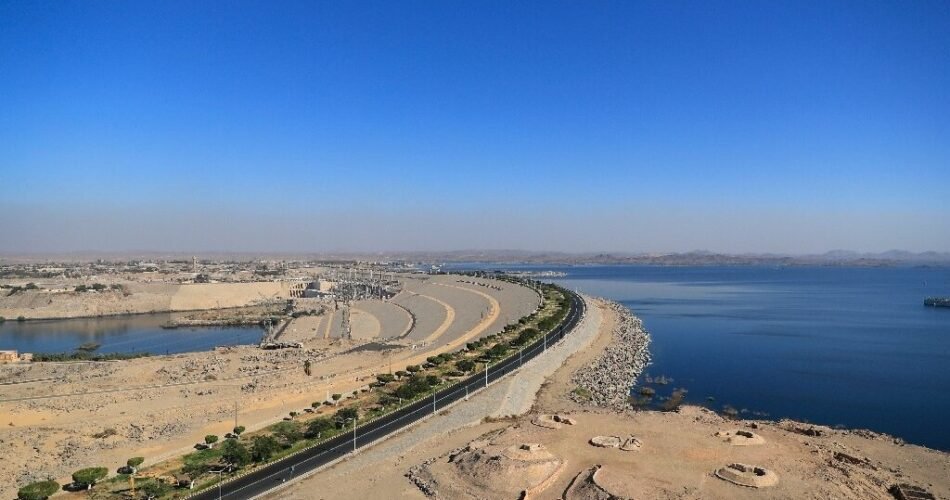
Roughly two years ahead of schedule, BP has started production from the Fayoum-4 well in Egypt’s West Nile Delta, adding around 80 million cubic feet per day of natural gas to a market where declining domestic production has forced Cairo back into large-scale LNG imports, Egyptian media reported on Monday.
Fayoum-4 was connected to BP’s existing West Nile Delta processing facilities through the Giza-Fayoum pipeline, eliminating the need for new subsea infrastructure. BP operates the facilities with an 82.75% interest, while Harbour Energy holds the remaining 17.25%.
BP discovered Fayoum during its 2025 exploration campaign and later drilled a sidetrack from the existing well to reach new Messinian reservoir layers at a depth of around 3,000 meters. Using the existing well, pipeline and processing facilities allowed BP to move first production forward by about two years.
Egypt needs the additional gas, with domestic production falling sharply since its 2021 peak, forcing the country to abandon its position as a net LNG exporter and spend billions of dollars securing imported cargoes. Years of unpaid bills to international oil and gas companies contributed to the decline by discouraging investment and slowing drilling. Cairo has since paid down billions of dollars in arrears as it tries to bring producers back to the fields and reverse the production losses.
BP plans to invest around $1.5 billion in Egyptian natural gas exploration and development during the 2026/27 fiscal year. Petroleum Minister Karim Badawi announced the investment in March as BP prepared a five-well Mediterranean drilling campaign that included Fayoum-4.
The start of production follows BP’s decision to put part of its Egyptian portfolio up for sale. Energean entered exclusive negotiations last week to acquire BP interests in producing West Nile Delta assets and its 50% contractor interest in the Temsah concession in a transaction that could raise about $1 billion. BP would retain its assets held through Arcius Energy, its joint venture with Abu Dhabi’s XRG, including its interest in the giant Zohr gas field.
By Charles Kennedy for Oilprice.com
Author

- Ytv Market News
- Share-market news writer and analyst with deep experience covering equities, commodities, forex, and cryptocurrencies for readers in the USA, UK, Canada, and Australia. Ytv Market News delivers timely market updates, practical trading insights, and clear explanations of macro and company-level catalysts that move prices. Combines on-the-ground financial reporting with technical analysis, using concise charts and actionable ideas to help investors and traders make smarter decisions.
Latest entries
 Politics News TodayAugust 31, 2026Kirk Herbstreit and his former gymnast wife have four boys thanks to handstands on the bed
 UsaAugust 31, 2026Asure Software to Spotlight Employee Retention at 2026 Asure50 Awards in Austin | ASUR Stock News
 Crypto NewsAugust 31, 2026Ethereum Price Forecast: BitMine scoops 53K ETH as Lee predicts increased institutional accumulation | FXStreet
 UsaAugust 31, 2026You Could Buy Nvidia for Its 106% Revenue Growth and 75% Gross Margin. But There’s an Even Better Reason the AI Stock Has Room to Run.

