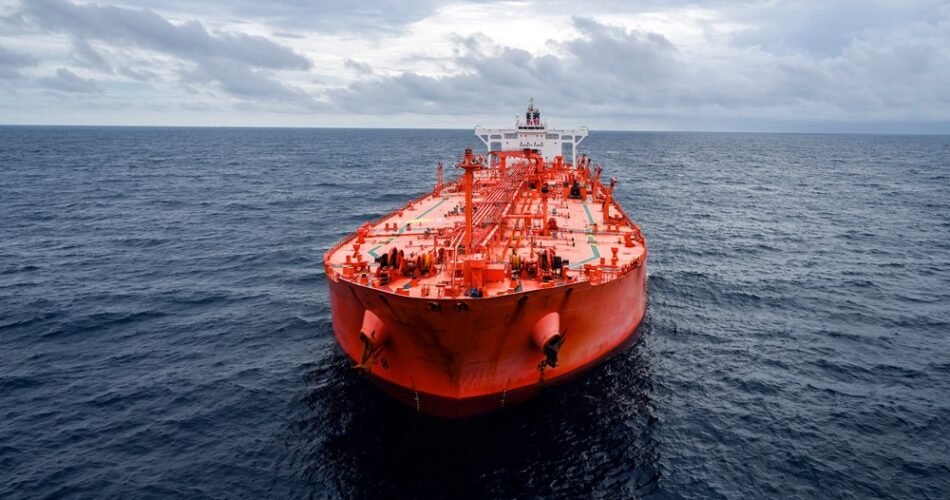
Qatar and Kuwait have managed to boost their crude oil exports from the Strait of Hormuz to 70% of pre-war levels as they followed the United Arab Emirates in shuttling oil through the chokepoint and using ship-to-ship transfers in the Gulf of Oman, anonymous traders told Bloomberg on Thursday.
Before the Middle East conflict, Qatar and Kuwait collectively exported about 2 million barrels per day (bpd) of crude oil via the Strait of Hormuz.
They don’t have alternative routes as Saudi Arabia and the UAE do, and struggled to ship oil out of the Persian Gulf in the first couple of months of the conflict.
But around June, Kuwait and Qatar began shuttling crude out of Hormuz and offered it for transfers outside the chokepoint in the Gulf of Oman.
The increasing Kuwaiti and Qatari oil volumes add to the barrels that Saudi Arabia and the UAE have been sneaking through the Strait of Hormuz and on routes bypassing it since the start of the war.
The UAE has managed to boost its oil exports to pre-crisis levels as early as June, as it has kept pushing crude through the Strait of Hormuz and beyond. It has been shuttling crude through the chokepoint to load it on larger vessels outside the Strait, maximizing the use of its onshore pipeline to ship crude from the west to the east of the country, bypassing Hormuz, and shipping tankers through the Strait in dark mode.
Saudi Arabia, for its part, has also started offering STS transfers of Gulf crude outside Hormuz, and has been using the Red Sea and Egypt’s Mediterranean ports to bypass the Persian Gulf’s chokepoint.
Thanks to the shuttle services and dark activity, total oil flows through the Strait of Hormuz have now risen to about 7-8 million bpd, up from about 4 million bpd in the middle of July, according to Bloomberg’s trading sources.
The under-the-radar operations and the Gulf states’ creative solutions to the threats in the Strait of Hormuz and the Red Sea have helped keep oil flowing, even if at much reduced rates compared to February levels.
The higher oil volumes exiting the Persian Gulf have kept benchmark crude oil futures in check despite the tightening global fuel markets.
By Tsvetana Paraskova for Oilprice.com
Author

- Ytv Market News
- Share-market news writer and analyst with deep experience covering equities, commodities, forex, and cryptocurrencies for readers in the USA, UK, Canada, and Australia. Ytv Market News delivers timely market updates, practical trading insights, and clear explanations of macro and company-level catalysts that move prices. Combines on-the-ground financial reporting with technical analysis, using concise charts and actionable ideas to help investors and traders make smarter decisions.
Latest entries
 UkAugust 27, 2026European stocks ease as investors weigh geopolitical risks and Fed outlook: DAX, CAC, FTSE100
- Crypto NewsAugust 27, 2026Ripple (XRP) Makes Major Wall Street Push With New Institutional Trading Business
 Crypto NewsAugust 27, 2026HashKey Releases Mid-Year Results for 2026: Achieves High-Quality Growth Against the Trend, Significant Improvement in Profitability
 Stock Market VideosAugust 27, 2026$15,000 Gold by 2027? Here’s What the Data Says