

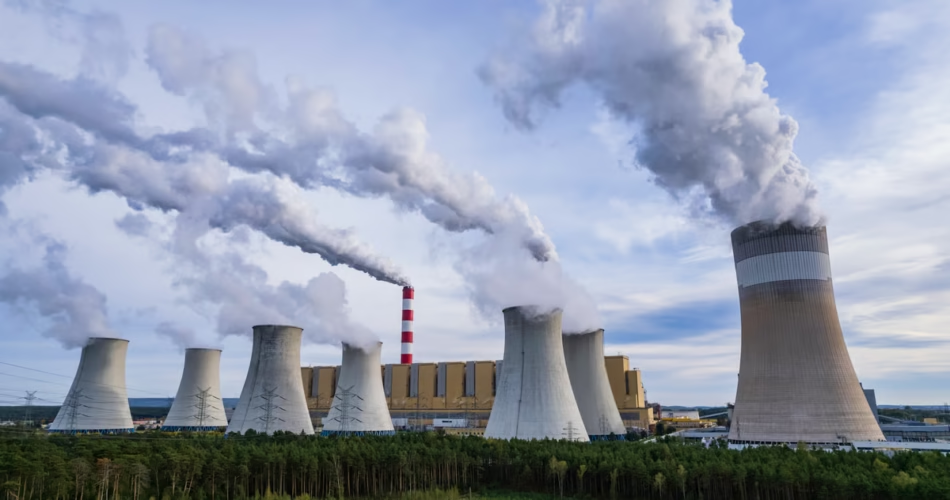
Constellation Energy (CEG +0.40%) is one of the primary pick-and-shovel plays of the data center boom. The company, thanks to its ability to deliver clean, on-demand nuclear and natural gas energy, has been in demand among hyperscalers with growing artificial intelligence (AI) needs.
Constellation operates the largest nuclear fleet in the United States, delivering more than 180 terawatt hours (TWh) of annual nuclear generation.
Despite its plethora of deals, the stock is down more than 51% from its 52-week high of $412.70 at its current price. So far this year, its shares are down more than 22%. There are several reasons for that apparent disconnect. Let’s look into them and see whether the stock is a buy.
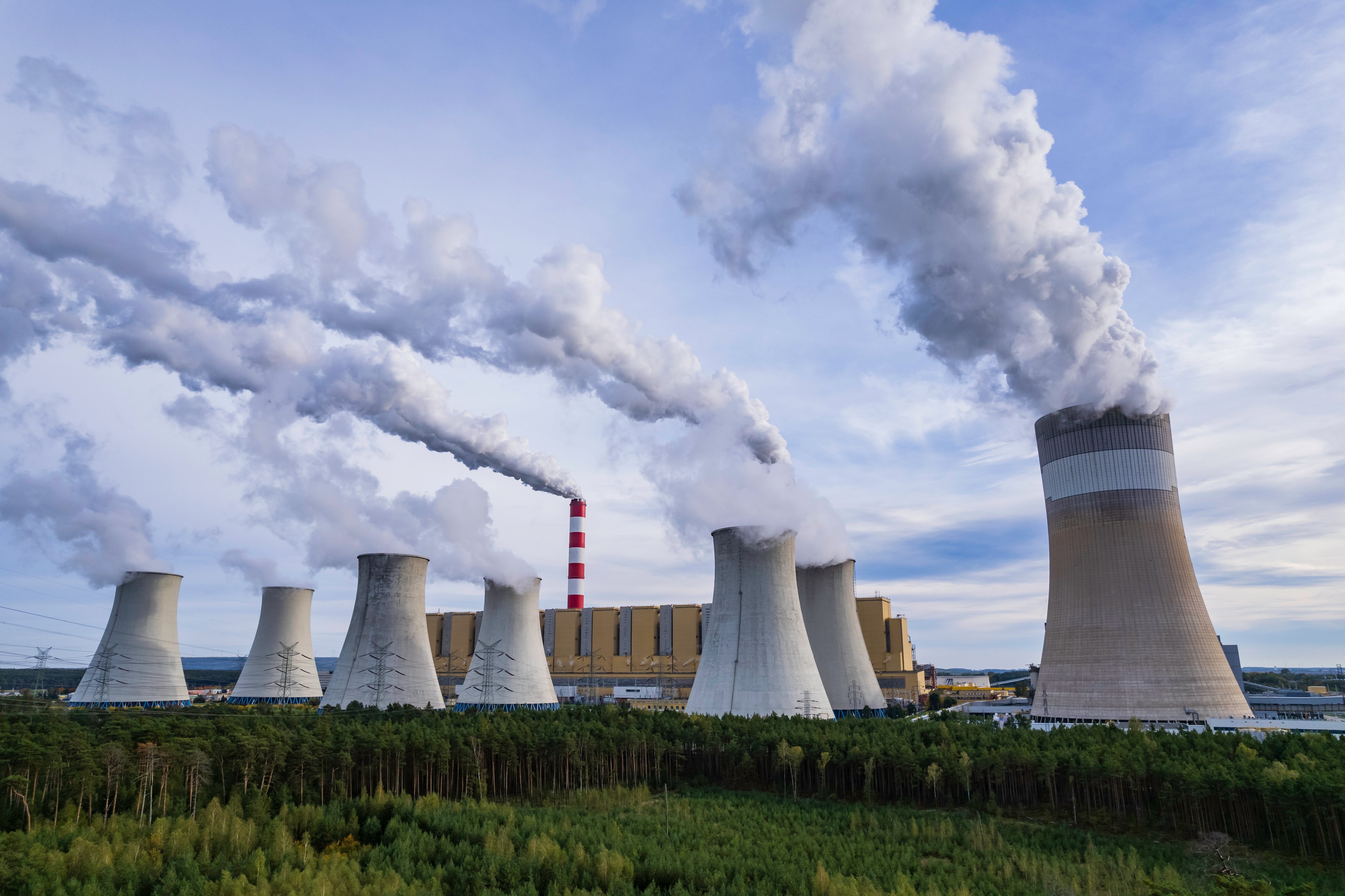
Image source: Getty Images.
Much of its growth has already been priced into the stock
When the market first realized that AI hyperscalers would need massive amounts of 24/7 clean energy, Constellation’s stock rallied dramatically. Its shares, despite this year’s correction, are up more than 549% over the past five years.

Today’s Change
(0.40%) $1.10
Current Price
$279.52
Key Data Points
Market Cap
Day’s Range
$278.11 – $285.26
52wk Range
$228.63 – $412.70
Volume
1.9M
Avg Vol
3.4M
Gross Margin
17.37%
Dividend Yield
0.60%
Much of the hype surrounding future data center power demand was priced in well in advance. Investors already know that the company has 920 megawatts of new power purchase agreements (PPA) lined up, including a 20-year PPA with Microsoft (MSFT +0.91%) to restart Three Mile Island, now renamed the Crane Energy Center. The company’s 20-year PPA with Comcast (CMCSA +0.37%) and 15-year PPA with Bank of America (BAC -0.32%) were announced in June of 2025 and in 2022, respectively. When Constellation’s deals are made formal, they often meet existing market expectations rather than create positive surprises.
These deals will take time to pay off
Getting approvals from regional grid operators, including the Pennsylvania-New Jersey-Maryland Interconnection (PJM) and the Federal Energy Regulatory Commission (FERC) take time, particularly on nuclear projects. At the state level, regulatory scrutiny has increased. For example, Texas (ERCOT) placed temporary pauses on data center interconnection requests to review grid stability, delaying commercial timelines.
Restarting the Crane Clean Energy Center won’t happen overnight, nor will new PPA deals. Constellation is in the process of getting approval for renewal applications for two New York nuclear reactors, the Ginna Clean Energy Center and the Nine Mile Point Unit 1 reactor.
Crane isn’t expected to supply power until late 2027 or beyond, meaning the cash flows from it are years away from appearing on current income statements.
Constellation’s new 920 megawatts of PPAs are 15 to 20 years in duration and are set to begin between 2029 and 2032.
Constellation’s growth comes with a cost
To expand its capacity, Constellation undertook major corporate moves, including the 2025 acquisition of natural gas and geothermal power provider Calpine for $26.6 billion. While this strategically shifts the company’s revenue mix, the integration has led to a steep rise in total debt and net interest expense.
The company reported $13 billion in debt in the second quarter, up 64% year over year. Its trailing debt-to-earnings before interest, taxes, depreciation, and amortization (EBITDA) ratio has risen more than 48% over the past year, thanks to the deal. That is a major reason the company’s earnings per share (EPS) were $1.42, down 48% year over year.
Its growth has also led to regulatory compliance hurdles, with the Calpine purchase prompting regulators to require the company to divest the Brazos Valley Energy Center in Texas.
Keep an eye on the long term
These PPA agreements will lead to increased revenue and better earnings. The company already reported revenue of $7.5 billion in the second quarter, up 18.6%, year over year.
The company’s second-quarter adjusted EPS, which excludes interest expense but not principal payments on debt, was $2.55, up 33.5% from the same quarter a year ago.
Despite pushbacks against data centers and increased regulatory scrutiny, the AI data center boom is not going away, and Constellation is set to see long-term growth from it. The stock’s pullback this year presents an excellent long-term proposition for investors. Yes, the company has significant debt, but its stable utility revenue will enable it to pay down that debt and return to profitability within a reasonable time frame.
Source link
Author

- Ytv Market News
- Share-market news writer and analyst with deep experience covering equities, commodities, forex, and cryptocurrencies for readers in the USA, UK, Canada, and Australia. Ytv Market News delivers timely market updates, practical trading insights, and clear explanations of macro and company-level catalysts that move prices. Combines on-the-ground financial reporting with technical analysis, using concise charts and actionable ideas to help investors and traders make smarter decisions.
Latest entries
 GermanyAugust 26, 2026SNB’s Martin says “robust” level of capital not a disadvantage for banks
 CanadaAugust 26, 2026abrdn Asia-Pacific Income Fund VCC (FAP) Provides Details on Trading Discount Redemption Trigger Calculation Methodology
- Crypto NewsAugust 26, 2026Altcoin Volume Dominance Hits Two-Year High as Traders Pour $135B Into the Market
 Crypto NewsAugust 26, 2026September Brings Increases in Transportation, Rent, Health Insurance, and More: All the Details

