

NuScale Power (SMR -4.67%) has spent years talking about the future of small modular reactors. Now, management believes that the future could arrive in a very big way.
During its second-quarter earnings call, CEO John Hopkins said NuScale’s strategic partner, ENTRA1 Energy, continues advancing discussions with the Tennessee Valley Authority (TVA) toward what could become the largest nuclear power deployment program in U.S. history. The proposed project could eventually range from 6 to 8 gigawatts of generating capacity, which would be much larger than any previous small nuclear reactor (SMR) deployment envisioned in the United States.
To put that into perspective, the largest traditional nuclear power plant in the U.S. has four operational reactors and a total generating capacity of 4.65 to 4.8 gigawatts. In other words, this SMR deployment could be massive.
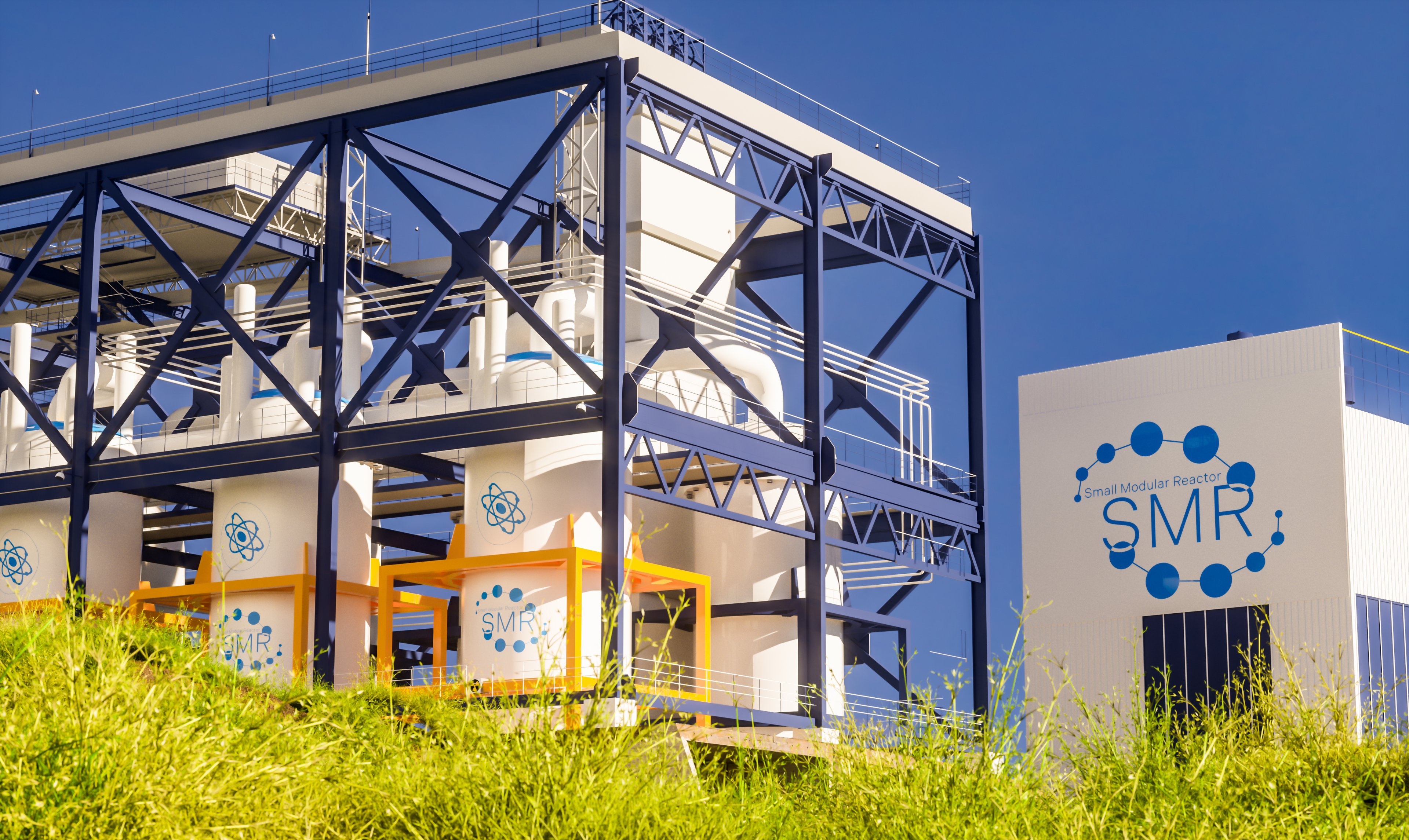
Image source: Getty Images.
Reducing risk and project costs
To be sure, NuScale isn’t simply selling reactors. The company is trying to establish a new way of building nuclear power plants using factory-built modules that can be deployed quickly and expanded over time.
Its latest VOYGR design uses 77-megawatt reactor modules that can be combined into larger power stations depending on customer demand. Because the modules are standardized, management believes construction risk and project costs can be reduced compared with traditional large-scale nuclear plants.
Indeed, this is becoming increasingly important as utilities, industrial manufacturers, and artificial intelligence (AI) data center developers are all searching for reliable, carbon-free electricity. While wind and solar continue to expand, nuclear also provides clean, dependable power.
NuScale says it’s ready
One of management’s biggest messages during the earnings call wasn’t about demand. It was about preparation. Hopkins argued that NuScale has spent years completing the engineering, regulatory approvals, fuel arrangements, and supplier agreements needed before construction begins.
The company remains the only SMR developer with U.S. Nuclear Regulatory Commission design certification, and management says more than half of its critical supply chain partners are already under contract. Fuel supplier Framatome, heavy-forging manufacturer Doosan Enerbility, and dozens of additional suppliers are already part of NuScale’s commercial network.
The company also ended the second quarter with $1.9 billion in cash, cash equivalents, and investments, giving it financial flexibility as it moves toward commercialization.
That said, at first glance, NuScale’s quarterly financial results don’t look all that impressive. Q2 revenue totaled just $75,000, down sharply from $8.1 million a year earlier. The company also reported a quarterly net loss of approximately $47.5 million.

Today’s Change
(-4.67%) $-0.46
Current Price
$9.39
Key Data Points
Market Cap
Day’s Range
$9.20 – $9.96
52wk Range
$7.21 – $57.42
Volume
35.6M
Avg Vol
32.4M
Gross Margin
16.03%
For a company at NuScale’s stage, however, current revenue isn’t the primary metric worth watching. Instead, you also need to focus on whether NuScale can convert years of engineering work into commercial reactor deployments. A definitive agreement with TVA would represent the company’s biggest validation yet and could demonstrate that utilities are prepared to move beyond feasibility studies and into construction.
The opportunity is enormous, but so is the challenge
Management’s confidence is understandable. A successful 6- to 8-gigawatt TVA deployment would establish NuScale as the clear commercial leader in the U.S. small modular reactor market and could serve as a blueprint for additional projects nationwide. It would also validate years of investment in regulatory approvals, manufacturing partnerships, and engineering development.
But these discussions are still just that — discussions. No definitive power purchase agreement has been signed, project economics still need to be finalized, and large nuclear projects have historically faced delays, cost overruns, and political hurdles.
Still, the potential scale of the opportunity is difficult to ignore. If the TVA project ultimately moves forward anywhere close to management’s expectations, it wouldn’t simply represent another NuScale contract. It would mark one of the most ambitious nuclear construction programs the United States has undertaken in decades, and one that could reshape how future nuclear power plants are built.


