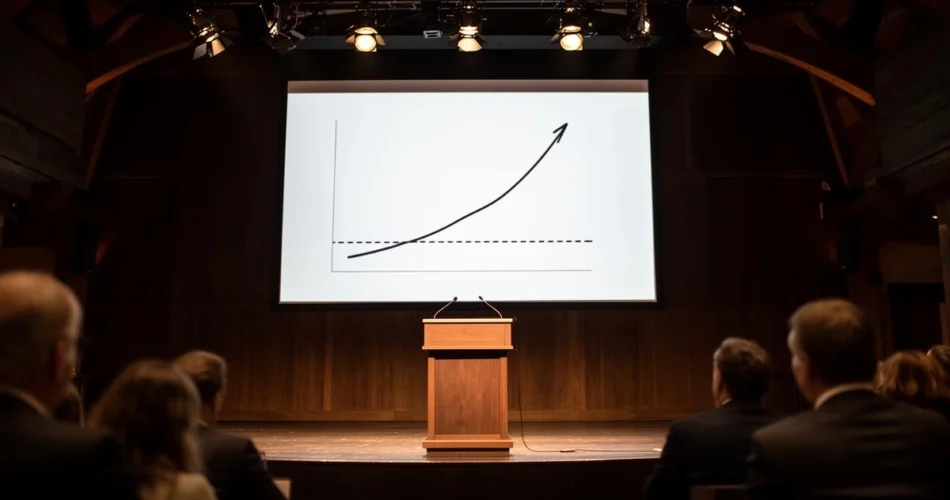
Three Federal Reserve officials used the opening day of the annual Jackson Hole economic symposium to deliver a coordinated warning that inflation remains far too sticky, setting a hawkish tone hours before Chairman Kevin Warsh’s first major speech at the conference.
Kansas City Fed President Jeffrey Schmid, Cleveland Fed President Beth Hammack, and Chicago Fed President Austan Goolsbee each voiced persistent concern about price pressures during separate appearances Thursday, as central bankers gathered in Wyoming for the closely watched event. Their remarks came a day after the government reported the Personal Consumption Expenditures Price Index, the Fed’s preferred inflation gauge, rose 3.7 percent in the 12 months through July, unchanged from June but down from 4.1 percent in May. Core PCE, which strips out food and energy, climbed 3.3 percent over the past year, still well above the central bank’s 2 percent target.
Schmid, speaking on CNBC from the sidelines of the conference, described inflation as “still stubborn and it’s still sticky and we’ve got to continue to find ways to break through” to get it back to 2 percent. He raised pointed doubts about whether the current policy rate, held at 3.50 percent to 3.75 percent since the July 28-29 meeting, is exerting any meaningful restraint on the economy. “I don’t know what we’re restricting currently with the rate policy that we’re at today,” he said.
The Kansas City Fed chief has recently favored raising rates to bring inflation back to target, and his latest comments suggested he still leans in that direction. But when asked directly about the outlook for a hike at the Fed’s September 15-16 policy meeting, he demurred. “I think we need a little bit more information,” Schmid said. “What I’m trying to figure out is the demand side of what’s driving both growth and inflation.”
Hammack delivered the most forceful message of the three. The Cleveland Fed president reiterated her call for higher rates, noting inflation has run above the Fed’s target for more than five years and that financial conditions show no signs of restriction. “I don’t want to prejudge anything. But I believe now is the time to act,” she said on CNBC.
Hammack was one of three dissenters at last month’s FOMC meeting who voted against holding rates steady, favoring instead a quarter-point increase. The final tally was 9-3 in favor of the hold. Minutes from that meeting showed hawkish sentiment extended well beyond the three dissenters, with some participants arguing that a hike then might forestall a steeper tightening sequence later.
The Cleveland Fed chief said her deeper worry is that a prolonged stretch of above-target inflation could cause households and businesses to simply accept higher prices as the new normal. She cited conversations with workers in Erie, Pennsylvania, who said they “can’t make ends meet” despite holding steady jobs. Information from local contacts, she said, suggests “we’re starting to get some of that inflationary mindset” embedding itself in the economy. “I don’t think we’re there yet, but that’s what I want to make sure we avoid,” Hammack said.
In a separate interview, she said she expects inflation to remain around 3 percent by year-end, with limited progress in 2027. “I think the most we might get down to is around 2.5%,” she said.
Goolsbee, for his part, said the question of whether inflation has truly been tamed remains his most pressing short-term worry. “Everybody should be on edge,” he said on the Rapid Response podcast. “We hear a lot about affordability and we better be mindful because if inflation starts going up again, it’s very hard to get rid of it.”
The Chicago Fed president pointed to elevated energy costs tied to the war in Iran and the back-and-forth on tariffs from the Trump administration as additional burdens weighing on American families at a time of unacceptably high inflation. He said there is a danger the public could shift toward a view that above-target price pressures are not going away.
Goolsbee also expressed unease about political pressure on the central bank, a recurring theme during President Donald Trump’s relationship with the Fed. “Puts me on edge,” he said. In nations where political authorities interfere with monetary policy choices, “inflation comes roaring back,” he added.
Despite the hawkish tone, Goolsbee offered a note of nuance. He said the recent three-month inflation trend “doesn’t look terrible” and that rate cuts could come eventually if inflation moves back toward 2 percent. “If you’re a very interest-rate-sensitive industry, I would tell you, watch the data” and “don’t get so hyped up about what the market says” about the monetary policy outlook, he told the podcast.
Warsh’s Debut Looms
All eyes now turn to Warsh, who is scheduled to deliver the keynote address Friday at 10:00 a.m. Eastern Time. The speech marks his first appearance at Jackson Hole since taking the helm of the central bank, and investors are eager for any signal about the future path of policy rates.
Expectations, however, are tempered. Warsh has consistently opposed providing firm forward guidance about rates and has even refrained, amid mounting controversy, from explaining how he reaches monetary policy decisions. That reticence has left markets uncertain about how much detail the new chairman will offer.
Nick Timiraos, the Wall Street Journal reporter widely known as the “Fed whisperer,” wrote that Warsh’s first major Jackson Hole address will confront a core question: whether persistently high inflation stems from one-time shocks like tariffs and war, or whether the economy itself remains fundamentally overheated. If the former, inflation may recede as shocks fade. If the latter, the Fed may need to tighten further. Timiraos argued that Warsh needs to articulate his judgment framework and the conditions under which his rate stance might shift.
Futures markets currently lean against an increase at the September meeting but assign strong odds to a hike by the end of 2026, according to Reuters. Economists’ reaction to the latest PCE data was mixed, with some saying the sturdy reading argued for a rate hike next month, while others said it kept tightening in play at some point this year.
The stakes for Friday’s speech are high. With three regional Fed presidents publicly warning about inflation on the eve of the address, the pressure on Warsh to clarify the central bank’s direction has rarely been greater.
Source link
Author

- Ytv Market News
- Share-market news writer and analyst with deep experience covering equities, commodities, forex, and cryptocurrencies for readers in the USA, UK, Canada, and Australia. Ytv Market News delivers timely market updates, practical trading insights, and clear explanations of macro and company-level catalysts that move prices. Combines on-the-ground financial reporting with technical analysis, using concise charts and actionable ideas to help investors and traders make smarter decisions.
Latest entries
 Crypto NewsAugust 28, 2026SEC sues 38 entities over fake adviser filings
 Commodities NewsAugust 28, 2026India Surpasses 300 GW of Non-Fossil Power Capacity
 Investing InsightsAugust 28, 2026Won-Dollar Battles at 1,380 Level Ahead of Warsh’s Jackson Hole Speech; Direction Hinges on Remarks — BigGo Finance
 GermanyAugust 28, 2026Shell has ended talks with Unimot over selling German refinery stake, Bloomberg News reports