
On August 25, Gold Fields (NYSE:GFI) posted first-half results that showed just how much a rebounding gold price and a long-awaited mine ramp-up can do for a miner’s cash flow. Attributable production climbed 12% year over year to 1.267 million ounces, and adjusted free cash flow more than doubled to $2.225 billion. CEO Michael Fraser framed the six months as proof that operational delivery, paired with a stronger gold market, converts directly into shareholder returns. The numbers back him up, though not every part of the story is that clean.

A Mine Finally Delivers
The headline driver was Salares Norte, the Chilean asset that had been a source of investor anxiety through its slow start. Production there jumped 173% year over year to 337,000 ounces as the mine reached steady state, and Fraser noted that strong silver prices as a byproduct credit helped push its all-in sustaining cost down to just $269 an ounce for the half. Granny Smith also chipped in with a 10% production increase on higher mined grades.
Management raised full-year Salares Norte guidance to a range of 550,000 to 600,000 gold equivalent ounces, and sales volumes across the group rose 18% for the period. That combination of more ounces and a 51% higher average realized gold price of $4,678 an ounce is what pushed free cash flow past $2.2 billion. Gold Fields turned that cash into a sharply stronger balance sheet, with net debt to EBITDA falling to 0.06 times from 0.37 times a year earlier, and the company said it moved into a net cash position once lease liabilities are excluded.
Shareholders felt it too, with the interim dividend up 132% to ZAR 16.25 per share and $300 million in buybacks executed between March and July. CFO Alex Dall added that those buybacks were completed at an average price of roughly ZAR 590 per share, below where the stock trades today. Gold Fields also expanded its top-up return program to $1.25 billion, adding a new $500 million allocation on top of the $553 million already delivered through special dividends and buybacks.
Costs And Ghana Cloud The Picture
The gains came with a cost, literally. All-in sustaining costs rose 13% to $1,893 an ounce, and total cash costs were up 10%, with Fraser pointing to higher royalties, stronger local currencies and general inflation, plus specific mining cost inflation at Gruyere and Tarkwa. Tarkwa carries its own overhang beyond costs. Gold Fields submitted a commercial proposal for its Ghana lease renewal in July 2026, but Fraser acknowledged that “the timing outcome and the terms of the renewal remain uncertain,” with the current lease expiring in April 2027.
Source link
Author

- Ytv Market News
- Share-market news writer and analyst with deep experience covering equities, commodities, forex, and cryptocurrencies for readers in the USA, UK, Canada, and Australia. Ytv Market News delivers timely market updates, practical trading insights, and clear explanations of macro and company-level catalysts that move prices. Combines on-the-ground financial reporting with technical analysis, using concise charts and actionable ideas to help investors and traders make smarter decisions.
Latest entries
 GermanyAugust 27, 2026Pernod warns weak US, China will weigh in years to come
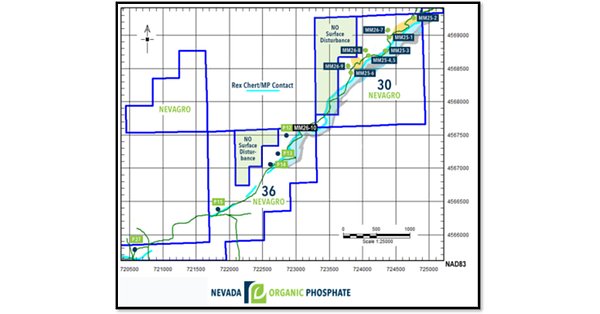 CanadaAugust 27, 2026Nevada Organic Phosphate Announces Encouraging Assay Results From Hole MM26‑10 at Murdock Mountain
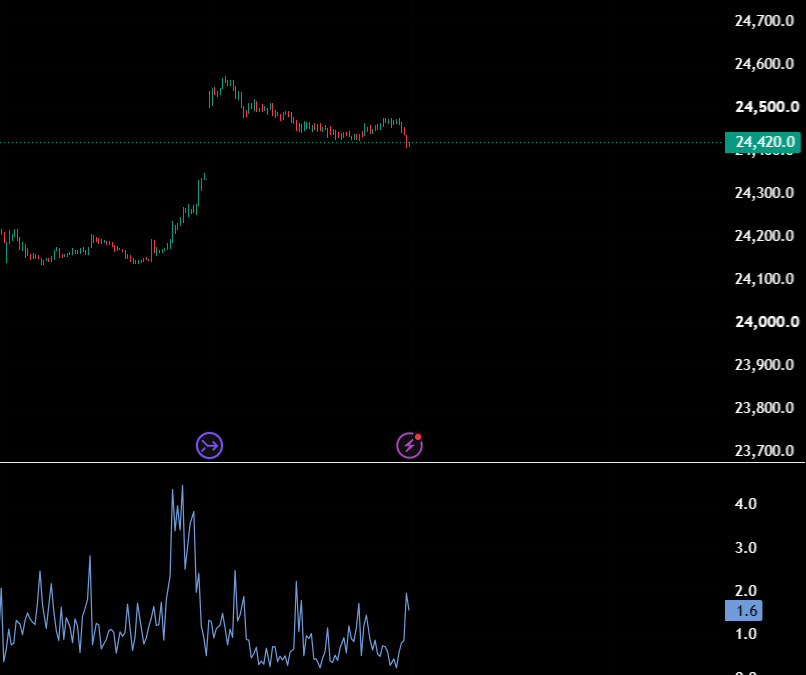 Trading IndicatorsAugust 27, 2026ml_session — Library by Market_Logic_India — TradingView
- UkAugust 27, 2026Wall Street futures climb as Nvidia fuels renewed AI optimism: Dow Jones, S&P, Nasdaq