European energy stocks moved lower on Wednesday as crude prices extended their decline following renewed discussions between Iran and Oman over managing shipping through the Strait of Hormuz.
Brent crude futures dropped 2.5% to $86.38 a barrel by 07:43 GMT, while WTI crude futures fell 2.8% to around $80.08. Both benchmarks extended sharp losses from the previous trading session as investors assessed the possibility of improved maritime access through the strategically important waterway.
Iran and Oman discuss interim shipping framework
Iran and Oman are discussing an interim arrangement covering shipping through the Strait of Hormuz, including the possible establishment of a temporary navigation corridor and cooperation on removing mines.
The discussions come while negotiations between Iran and the US remain stalled and Washington continues to increase economic pressure on Tehran.
Before the conflict, approximately one-fifth of global oil and LNG shipments passed through the Strait of Hormuz. Any meaningful progress towards reopening the route could therefore ease concerns over energy supplies and place additional downward pressure on crude prices.
PVM analyst questions scale of oil selloff
PVM analyst Tamas Varga questioned whether the scale of Brent’s decline, which exceeded $6 a barrel over two days, was justified by the latest diplomatic developments.
Varga noted that a permanent restoration of flows through the Strait of Hormuz “is anything but a foregone conclusion” despite reports that Iran and Oman could reach an agreement covering mine clearance and management of shipping traffic through the chokepoint.
He argued that supply risks are likely to remain and that oil inventories could continue declining over the coming weeks, although he acknowledged that “sitting in this chair has often proven uncomfortable recently.”
The comments underline the uncertainty surrounding the oil market, with traders balancing signs of diplomatic progress against the possibility that significant disruption to energy supplies could continue.
BP, Shell and European energy majors decline
The renewed fall in crude prices weighed on major European oil and gas companies as markets opened.
BP (LSE:BP.) dropped 2.8%, while Shell (LSE:SHEL) declined 1.7%. Equinor (LSE:0A7F) fell 2.5% in Oslo and Italy’s Eni (BIT:ENI) lost 1.7%.
Elsewhere, TotalEnergies (EU:TTE) declined 1.2%, while Repsol (TG:REP) fell 1.4%.
The weakness followed a 3.1% decline in WTI on Tuesday, when expectations of diplomatic progress outweighed continuing concerns surrounding potential supply disruptions.
With uncertainty over the Strait of Hormuz still elevated, further developments in the Iran-Oman discussions are likely to remain an important driver for crude prices and European energy stocks.
This article was written by the editorial team at InvestorsHub/ADVFN and is provided for informational purposes only. In some cases, editorial staff may use artificial intelligence–based tools to assist in the research, drafting, or editing of content, under human review and oversight. This article does not constitute investment advice, a recommendation, or an offer to buy or sell any securities. The views expressed are based on publicly available information believed to be reliable at the time of publication, but accuracy or completeness is not guaranteed. Readers should conduct their own independent research and consult a qualified financial professional before making any investment decisions.
Source link
Author

- Ytv Market News
- Share-market news writer and analyst with deep experience covering equities, commodities, forex, and cryptocurrencies for readers in the USA, UK, Canada, and Australia. Ytv Market News delivers timely market updates, practical trading insights, and clear explanations of macro and company-level catalysts that move prices. Combines on-the-ground financial reporting with technical analysis, using concise charts and actionable ideas to help investors and traders make smarter decisions.
Latest entries
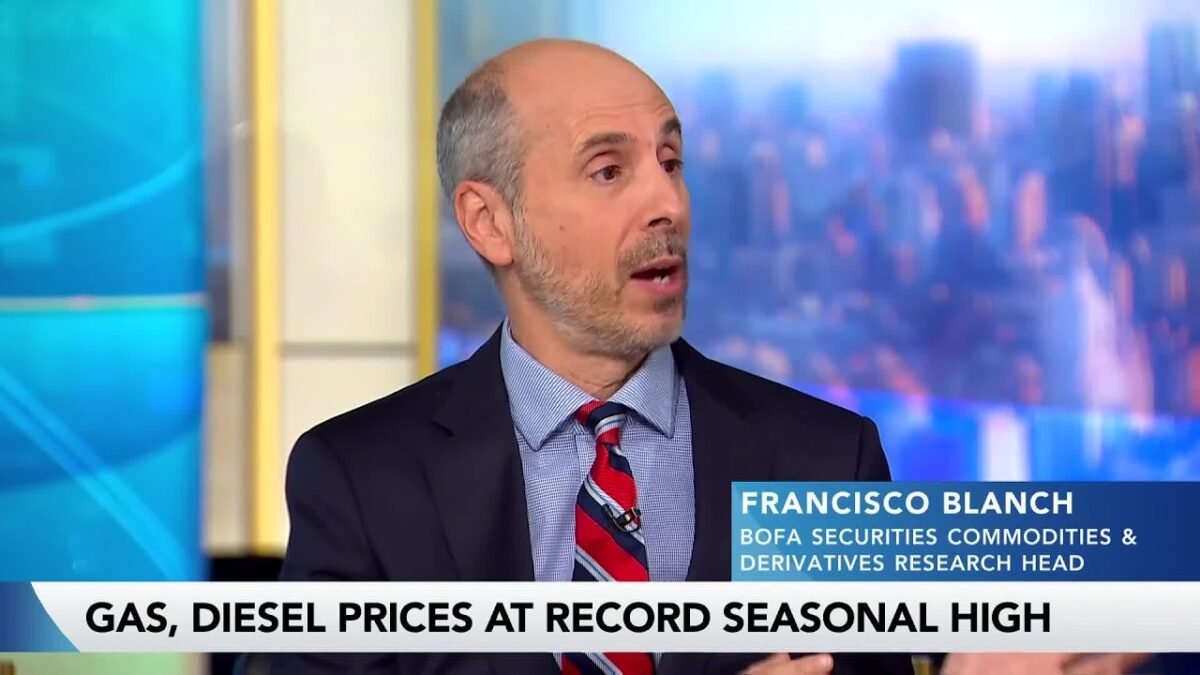 Stock Market VideosAugust 26, 2026China Is New Swing Buyer of Oil, Blanch Says
 UkAugust 26, 2026Applied Nutrition says will beat market view for earnings and revenue
 Crypto NewsAugust 26, 2026BMNR stock extends rally as BitMine’s Ethereum treasury nears $14.4B
 Investing InsightsAugust 26, 2026Zoom’s Guidance Misses Expectations; Shares Plunge Nearly 4% in After-Hours Trading — BigGo Finance