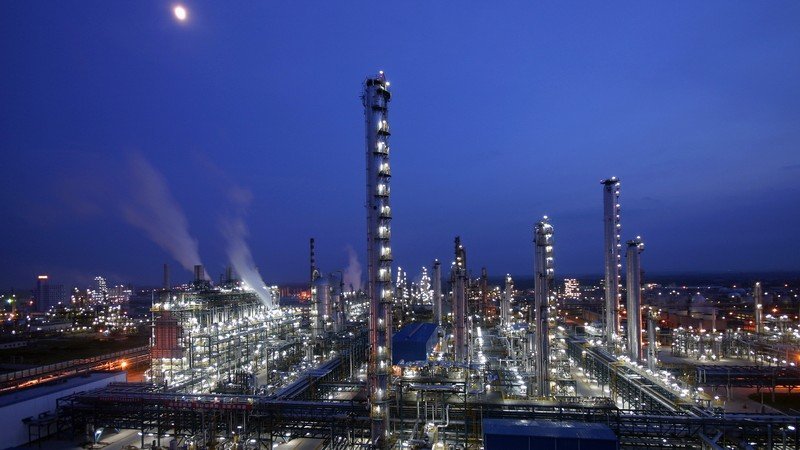
The world’s biggest oil refiner, China’s state-held Sinopec, is looking to transform its business as domestic fuel sales crumble amid the electric vehicle boom.
China Petroleum & Chemical Corporation, as Sinopec is officially known, will be allocating more capital to new energy and chemicals by the end of the decade to grow revenues and profits amid the lowest domestic fuel sales in China in nearly a decade.
“As the company grows in scale, its ability to respond to market changes becomes inadequate, and the ‘big company syndrome’ remains to be overcome,” Sinopec’s chairman, Hou Qijun, who was appointed a year ago in the role, wrote in a magazine published by China’s powerful State-owned Assets Supervision and Administration Commission (SASAC), as carried by Reuters.
This weekend, Sinopec reported an increase in net profit for the first half of 2026, but flagged falling domestic fuel sales, which have been weighing on the company’s earnings for two years now.
“Due to the dampening effect of high oil prices on demand and accelerated substitution by new energy, domestic refined oil products consumption declined by 8.6% year on year, among which gasoline decreased by 7.9%, diesel decreased by 11.5%, while jet fuel (kerosene) rose by 1.3% driven by holiday travel and the recovery of international routes,” Sinopec said in its press release.
Moreover, domestic demand for major chemical products was weak, with ethylene equivalent consumption down by 9.9% year on year.
In the marketing and distribution segment, revenues fell by 1.5% year on year for the first half of 2026.
“This change was mainly due to the decline in refined oil product sales volume resulting from the dampening effect of high oil products on refined oil consumption and accelerated new energy substitution,” Sinopec added.
The company’s chairman is looking to develop shale oil fields, sustainable aviation fuels, and cut refining costs to make Sinopec more resilient to the declining fuel demand in China.
“Gasoline was made for cars, yet half of new cars no longer need fuel … Under these circumstances, how can producing more gasoline and diesel continue to generate revenue?” Hou told analysts at the results presentation on Monday.
By Charles Kennedy for Oilprice.com
Author

- Ytv Market News
- Share-market news writer and analyst with deep experience covering equities, commodities, forex, and cryptocurrencies for readers in the USA, UK, Canada, and Australia. Ytv Market News delivers timely market updates, practical trading insights, and clear explanations of macro and company-level catalysts that move prices. Combines on-the-ground financial reporting with technical analysis, using concise charts and actionable ideas to help investors and traders make smarter decisions.
Latest entries
 Commodities NewsAugust 25, 2026Agnico Eagle Takes US$41.1 Million Stake in Radisson Mining
 IndiaAugust 25, 2026Broker’s Call: Cummins India (Buy)
 Company NewsAugust 25, 2026Die CESC-Aktie bleibt nach Dividendenausschüttung stabil
 Stock Market VideosAugust 25, 2026Nigel Farage Wins UK Special Election Over Count Binface